The Industrial Revolution changed a lot of things. One of those things was work.
In a pre-industrial society it was common for people to live their entire lives without ever going more than a few miles from the towns where they were born, common for children to be apprenticed to local tradesmen and then work in that trade until they died. There were no second careers. Work was just work.
Industrialization made it possible to travel. In some cases, it made it necessary. More and more people left farms and rural areas for manufacturing jobs in bigger towns and cities. Eventually, guilds of craftsmen and their apprentices gave way to factories, interchangeable parts, and assembly lines. The nature of work changed forever.
There were problems along the way. Demands on workers were no longer influenced by the seasons or the weather. They were driven by market forces many of the workers couldn’t understand and by factory owners and shareholders the workers might never see. Working conditions weren’t negotiated. The health and safety of workers could be ignored, and workers who were injured on the job could be fired and replaced. A worker’s pay could be cut at the same time rents went up in the company town and prices went up in the company store. And order was often maintained not by officers who had sworn to uphold the law but by a police force that worked for the company. There weren’t many opportunities to complain or to try to change things.
Change, when it came, was often due to the work of social reformers and not governments, but change was inevitable. Today most of us can count on working conditions that include child labor laws, workplace safety regulations, a forty-hour work week, a minimum wage, overtime pay, disability insurance, workman’s compensation, equal opportunity employment, the right to form or join a union, the right to participate in collective bargaining, and the right to air grievances or blow the whistle without fear of reprisals. We’re still working to hold on to and to expand those rights, and we’re fighting for others like equal pay for equal work and an end to discriminatory hiring practices, harassment in the workplace, and wage theft by unscrupulous employers.
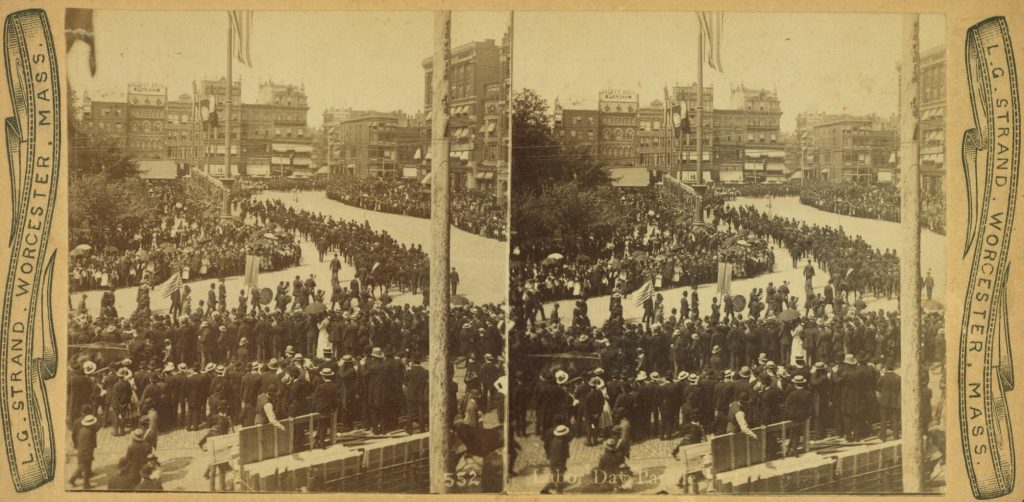
Labor Day became a national holiday in the US in 1894. Some states set aside a day for it as early as 1887, and the tradition goes back even farther in Europe. It’s a day to recognize people who work hard to support themselves and their families and a day to recognize the value of the work they do. And it’s a day to remember the stories of the Pullman strike and boycott of 1894 and the Triangle Shirtwaist factory fire of 1911, a day to remember Samuel Gompers, Eugene Victor Debs, Mary Harris “Mother” Jones and other people who made a difference for us all.
The Ridgefield Democratic Town Committee provides this column.